Choose "Make this ad premium" at checkout.
Precision in Protection: The Sterilization Protocol for Implantable Neurostimulator Trial Leads London
- Location: Greater London, London, London, United Kingdom
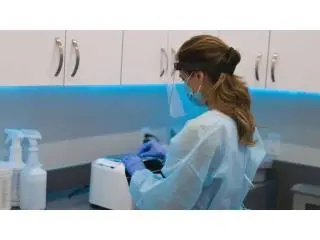
The intersection of advanced electronics and human biology has birthed a new era of pain management, primarily through the use of neurostimulation. However, the sophistication of these devices brings a unique set of challenges to the sterile processing department. Implantable neurostimulator trial leads are the thin, insulated wires placed in the epidural space to deliver electrical pulses to the spinal cord. Because these leads are "trial" components, they act as a percutaneous bridge between the internal environment of the human body and an external pulse generator. This specific clinical application makes them highly susceptible to acting as a conduit for pathogens. Consequently, the sterilization protocol for these leads is not just a routine task; it is a high-stakes defensive maneuver against surgical site infections and meningitis.
The Critical Nature of Single-Use vs. Reusable Protocols
The first and perhaps most vital step in the protocol for neurostimulator trial leads is the identification of their "use-life" status. In the vast majority of modern clinical settings, trial leads are classified as single-use, sterile devices. They arrive from the manufacturer in double-blister Tyvek packaging, having undergone validated sterilization via Ethylene Oxide (EtO) or Gamma Radiation. For these items, the protocol is strictly focused on "point-of-use" integrity. Technicians must inspect the sterile barrier for punctures, moisture, or expiration, as the delicate polymer coating of the lead can degrade over time, creating microscopic fissures that harbor bacteria.
However, the "trial" phase often involves reusable connector cables and external stimulators that do require complex reprocessing. While the leads themselves are discarded after the 5-to-10-day trial, the hardware that links them to the programmer must be treated with high-level disinfection or low-temperature sterilization. This is where the distinction between "critical" and "semi-critical" devices becomes blurred. Any technician who has completed asterile processing technician course will tell you that if a component has the potential to touch the lead during insertion, it must be treated with the same level of sterility as the implant itself. This prevents the "seeding" of the trial lead with contaminants during the connection process.
Decontamination and Pre-Cleaning of Reusable Components
For the non-disposable elements of a neurostimulation kit, the protocol begins with meticulous pre-cleaning. Neurostimulator components are often made of sensitive materials like polyurethane, silicone, and stainless steel, which cannot withstand the aggressive agitation of an automated washer-disinfector. Manual cleaning is usually required, using a neutral-pH enzymatic detergent. The goal is to remove all organic bioburden—blood, skin cells, and saline—without kinking or stretching the internal copper or platinum-iridium wiring. Even a minor stretch in a connector cable can alter the electrical resistance, rendering the trial results inaccurate.
During this stage, technicians use soft-bristled brushes to clean the "snap-lid" connectors and ports. These areas are notorious for harboring dried blood, which can act as a shield for microbes during the subsequent sterilization phase. The technical precision required for this manual cleaning is a primary focus of a sterile processing technician course. Students learn that "if it isn't clean, it can't be sterile." This mantra is particularly relevant for neurostimulation hardware, where the presence of even a single microscopic air bubble or a trace of protein can lead to a failure in the low-temperature gas plasma or EtO cycle, ultimately putting the patient at risk of an epidural abscess.


Useful information
- Avoid scams by acting locally or paying with PayPal
- Never pay with Western Union, Moneygram or other anonymous payment services
- Don't buy or sell outside of your country. Don't accept cashier cheques from outside your country
- This site is never involved in any transaction, and does not handle payments, shipping, guarantee transactions, provide escrow services, or offer "buyer protection" or "seller certification"
Related listings
-
 Affordable Dental Plans for Medicare, Self Employed, SeniorsHealthcare - - April 17, 2026
Dear Healthcare Customer, Introducing the Preferred Plan by 1Dental. The Preferred Plan offers Medicare, Self Employed, Seniors and Group recipients an affordable, non-insurance option to save money on their dental work -- without all the restriction...
-
 Affordable Dental Plans for Medicare, Self Employed, SeniorsHealthcare - Pottersville (New York) - April 17, 2026
Dear Healthcare Customer, Introducing the Preferred Plan by 1Dental. The Preferred Plan offers Medicare, Self Employed, Seniors and Group recipients an affordable, non-insurance option to save money on their dental work -- without all the restriction...
-
 Launch CentersHealthcare - Los Angeles (California) - April 17, 2026
Launch Centers Launch Centers is a dual diagnosis and mental health outpatient program in Los Angeles that helps young adults ages 18 to 35 experiencing failure to launch. Their services include clinical therapy, career development, and educat...